App 下载
注册
登录
|
搜索
正在搜索中...
首页
我的书架
我的主页
我的收藏
我的书评
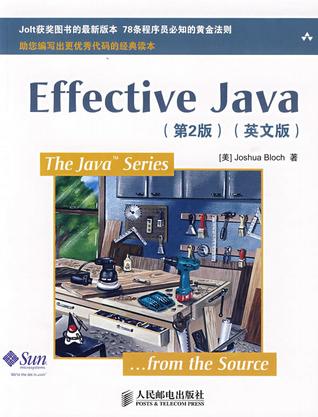
本书介绍了在java编程中78条经典的、实用性极高的经验规则,这些经验规则可以帮助开发人员来解决每天都有可能面对的大多数问题。书中对java平台设计专家所使用的技术的介绍
……
[ 展开全部 ]
,揭示了如何事半功倍地的编写清晰、健壮和高效的代码。本书是经典图书effective java的第2版,涵盖了java 5中的重要变化,并删除了一些过时的内容。本书所介绍的每条规则,都以简明易懂的语言来阐释,并通过示例代码进一步加以说明。 本书内容翔实,层次分明,是一本可以帮助技术人员更深层次理解java的参考用书。
[ 收起 ]
作者:Joshua Bloch
出版社:人民邮电出版社
定价:39.00元
ISBN:7115211310
给个评价
做个书摘
书摘 (21 )
评价 (1 )
查看所有书摘
按目录显示书摘
只显示目录
1 introduction 1
还没有人在此章节添加过书摘,赶紧来抢第一吧!
在此章节添加书摘
2 creating and destroying objects 5
还没有人在此章节添加过书摘,赶紧来抢第一吧!
在此章节添加书摘
item 1: consider static factory methods instead of
还没有人在此章节添加过书摘,赶紧来抢第一吧!
在此章节添加书摘
item 2: consider a builder when faced with many co
还没有人在此章节添加过书摘,赶紧来抢第一吧!
在此章节添加书摘
item 3: enforce the singleton property with a priv
还没有人在此章节添加过书摘,赶紧来抢第一吧!
在此章节添加书摘
item 4: enforce noninstantiability with a private
还没有人在此章节添加过书摘,赶紧来抢第一吧!
在此章节添加书摘
item 5: avoid creating unnecessary objects 20
还没有人在此章节添加过书摘,赶紧来抢第一吧!
在此章节添加书摘
item 6: eliminate obsolete object references 24
还没有人在此章节添加过书摘,赶紧来抢第一吧!
在此章节添加书摘
item 7: avoid finalizers 27
还没有人在此章节添加过书摘,赶紧来抢第一吧!
在此章节添加书摘
3 methods common to all objects 33
还没有人在此章节添加过书摘,赶紧来抢第一吧!
在此章节添加书摘
item 8: obey the general contract when overriding
还没有人在此章节添加过书摘,赶紧来抢第一吧!
在此章节添加书摘
item 9: always override hashcode when you override
还没有人在此章节添加过书摘,赶紧来抢第一吧!
在此章节添加书摘
item 10: always override tostring 51
还没有人在此章节添加过书摘,赶紧来抢第一吧!
在此章节添加书摘
item 11: override clone judiciously 54
还没有人在此章节添加过书摘,赶紧来抢第一吧!
在此章节添加书摘
item 12: consider implementing comparable 62
还没有人在此章节添加过书摘,赶紧来抢第一吧!
在此章节添加书摘
4 classes and interfaces 67
还没有人在此章节添加过书摘,赶紧来抢第一吧!
在此章节添加书摘
item 13: minimize the accessibility of classes and
还没有人在此章节添加过书摘,赶紧来抢第一吧!
在此章节添加书摘
item 14: in public classes, use accessor methods,
还没有人在此章节添加过书摘,赶紧来抢第一吧!
在此章节添加书摘
item 15: minimize mutability 73
还没有人在此章节添加过书摘,赶紧来抢第一吧!
在此章节添加书摘
item 16: favor composition over inheritance 81
还没有人在此章节添加过书摘,赶紧来抢第一吧!
在此章节添加书摘
item 17: design and document for inheritance or el
还没有人在此章节添加过书摘,赶紧来抢第一吧!
在此章节添加书摘
item 18: prefer interfaces to abstract classes 93
还没有人在此章节添加过书摘,赶紧来抢第一吧!
在此章节添加书摘
item 19: use interfaces only to define types 98
还没有人在此章节添加过书摘,赶紧来抢第一吧!
在此章节添加书摘
item 20: prefer class hierarchies to tagged classe
还没有人在此章节添加过书摘,赶紧来抢第一吧!
在此章节添加书摘
item 21: use function objects to represent strateg
还没有人在此章节添加过书摘,赶紧来抢第一吧!
在此章节添加书摘
item 22: favor static member classes over nonstati
还没有人在此章节添加过书摘,赶紧来抢第一吧!
在此章节添加书摘
5 generics 109
还没有人在此章节添加过书摘,赶紧来抢第一吧!
在此章节添加书摘
item 23: don't use raw types in new code 109
还没有人在此章节添加过书摘,赶紧来抢第一吧!
在此章节添加书摘
item 24: eliminate unchecked warnings 116
还没有人在此章节添加过书摘,赶紧来抢第一吧!
在此章节添加书摘
item 25: prefer lists to arrays 119
还没有人在此章节添加过书摘,赶紧来抢第一吧!
在此章节添加书摘
item 26: favor generic types 124
还没有人在此章节添加过书摘,赶紧来抢第一吧!
在此章节添加书摘
item 27: favor generic methods 129
还没有人在此章节添加过书摘,赶紧来抢第一吧!
在此章节添加书摘
item 28: use bounded wildcards to increase api fle
还没有人在此章节添加过书摘,赶紧来抢第一吧!
在此章节添加书摘
item 29: consider typesafe heterogeneous container
还没有人在此章节添加过书摘,赶紧来抢第一吧!
在此章节添加书摘
6 enums and annotations 147
还没有人在此章节添加过书摘,赶紧来抢第一吧!
在此章节添加书摘
item 30: use enums instead of int constants 147
还没有人在此章节添加过书摘,赶紧来抢第一吧!
在此章节添加书摘
item 31: use instance fields instead of ordinals 1
还没有人在此章节添加过书摘,赶紧来抢第一吧!
在此章节添加书摘
item 32: use enumset instead of bit fields 159
还没有人在此章节添加过书摘,赶紧来抢第一吧!
在此章节添加书摘
item 33: use enummap instead of ordinal indexing 1
还没有人在此章节添加过书摘,赶紧来抢第一吧!
在此章节添加书摘
item 34: emulate extensible enums with interfaces
还没有人在此章节添加过书摘,赶紧来抢第一吧!
在此章节添加书摘
item 35: prefer annotations to naming patterns 169
还没有人在此章节添加过书摘,赶紧来抢第一吧!
在此章节添加书摘
item 36: consistently use the override annotation
还没有人在此章节添加过书摘,赶紧来抢第一吧!
在此章节添加书摘
item 37: use marker interfaces to define types 179
还没有人在此章节添加过书摘,赶紧来抢第一吧!
在此章节添加书摘
7 methods 181
还没有人在此章节添加过书摘,赶紧来抢第一吧!
在此章节添加书摘
item 38: check parameters for validity .. 181
还没有人在此章节添加过书摘,赶紧来抢第一吧!
在此章节添加书摘
item 39: make defensive copies when needed 184
还没有人在此章节添加过书摘,赶紧来抢第一吧!
在此章节添加书摘
item 40: design method signatures carefully 189
还没有人在此章节添加过书摘,赶紧来抢第一吧!
在此章节添加书摘
item 41: use overloading judiciously 191
还没有人在此章节添加过书摘,赶紧来抢第一吧!
在此章节添加书摘
item 42: use varargs judiciously 197
还没有人在此章节添加过书摘,赶紧来抢第一吧!
在此章节添加书摘
item 43: return empty arrays or collections, not n
还没有人在此章节添加过书摘,赶紧来抢第一吧!
在此章节添加书摘
item 44: write doc comments for all exposed api el
还没有人在此章节添加过书摘,赶紧来抢第一吧!
在此章节添加书摘
8 general programming 209
还没有人在此章节添加过书摘,赶紧来抢第一吧!
在此章节添加书摘
item 45: minimize the scope of local variables 209
还没有人在此章节添加过书摘,赶紧来抢第一吧!
在此章节添加书摘
item 46: prefer for-each loops to traditional for
还没有人在此章节添加过书摘,赶紧来抢第一吧!
在此章节添加书摘
item 47: know and use the libraries 215
还没有人在此章节添加过书摘,赶紧来抢第一吧!
在此章节添加书摘
item 48: avoid float and double if exact answers a
还没有人在此章节添加过书摘,赶紧来抢第一吧!
在此章节添加书摘
item 49: prefer primitive types to boxed primitive
还没有人在此章节添加过书摘,赶紧来抢第一吧!
在此章节添加书摘
item 50: avoid strings where other types are more
还没有人在此章节添加过书摘,赶紧来抢第一吧!
在此章节添加书摘
item 51: beware the performance of string concaten
还没有人在此章节添加过书摘,赶紧来抢第一吧!
在此章节添加书摘
item 52: refer to objects by their interfaces 228
还没有人在此章节添加过书摘,赶紧来抢第一吧!
在此章节添加书摘
item 53: prefer interfaces to reflection 230
还没有人在此章节添加过书摘,赶紧来抢第一吧!
在此章节添加书摘
item 54: use native methods judiciously 233
还没有人在此章节添加过书摘,赶紧来抢第一吧!
在此章节添加书摘
item 55: optimize judiciously 234
还没有人在此章节添加过书摘,赶紧来抢第一吧!
在此章节添加书摘
item 56: adhere to generally accepted naming conve
还没有人在此章节添加过书摘,赶紧来抢第一吧!
在此章节添加书摘
9 exceptions 241
还没有人在此章节添加过书摘,赶紧来抢第一吧!
在此章节添加书摘
item 57: use exceptions only for exceptional condi
还没有人在此章节添加过书摘,赶紧来抢第一吧!
在此章节添加书摘
item 58: use checked exceptions for recoverable co
还没有人在此章节添加过书摘,赶紧来抢第一吧!
在此章节添加书摘
item 59: avoid unnecessary use of checked exceptio
还没有人在此章节添加过书摘,赶紧来抢第一吧!
在此章节添加书摘
item 60: favor the use of standard exceptions 248
还没有人在此章节添加过书摘,赶紧来抢第一吧!
在此章节添加书摘
item 61: throw exceptions appropriate to the abstr
还没有人在此章节添加过书摘,赶紧来抢第一吧!
在此章节添加书摘
item 62: document all exceptions thrown by each me
还没有人在此章节添加过书摘,赶紧来抢第一吧!
在此章节添加书摘
item 63: include failure-capture information in de
还没有人在此章节添加过书摘,赶紧来抢第一吧!
在此章节添加书摘
item 64: strive for failure atomicity 256
还没有人在此章节添加过书摘,赶紧来抢第一吧!
在此章节添加书摘
item 65: don't ignore exceptions 258
还没有人在此章节添加过书摘,赶紧来抢第一吧!
在此章节添加书摘
10 concurrency 259
还没有人在此章节添加过书摘,赶紧来抢第一吧!
在此章节添加书摘
item 66: synchronize access to shared mutable data
还没有人在此章节添加过书摘,赶紧来抢第一吧!
在此章节添加书摘
item 67: avoid excessive synchronization 265
还没有人在此章节添加过书摘,赶紧来抢第一吧!
在此章节添加书摘
item 68: prefer executors and tasks to threads 271
还没有人在此章节添加过书摘,赶紧来抢第一吧!
在此章节添加书摘
item 69: prefer concurrency utilities to wait and
还没有人在此章节添加过书摘,赶紧来抢第一吧!
在此章节添加书摘
item 70: document thread safety 278
还没有人在此章节添加过书摘,赶紧来抢第一吧!
在此章节添加书摘
item 71: use lazy initialization judiciously 282
还没有人在此章节添加过书摘,赶紧来抢第一吧!
在此章节添加书摘
item 72: don't depend on the thread scheduler 286
还没有人在此章节添加过书摘,赶紧来抢第一吧!
在此章节添加书摘
item 73: avoid thread groups 288
还没有人在此章节添加过书摘,赶紧来抢第一吧!
在此章节添加书摘
11 serialization 289
还没有人在此章节添加过书摘,赶紧来抢第一吧!
在此章节添加书摘
item 74: implement serializable judiciously 289
还没有人在此章节添加过书摘,赶紧来抢第一吧!
在此章节添加书摘
item 75: consider using a custom serialized form 2
还没有人在此章节添加过书摘,赶紧来抢第一吧!
在此章节添加书摘
item 76: write readobject methods defensively 302
还没有人在此章节添加过书摘,赶紧来抢第一吧!
在此章节添加书摘
item 77: for instance control, prefer enum types t
还没有人在此章节添加过书摘,赶紧来抢第一吧!
在此章节添加书摘
item 78: consider serialization proxies instead of
还没有人在此章节添加过书摘,赶紧来抢第一吧!
在此章节添加书摘
appendix: items corresponding to first edition 317
还没有人在此章节添加过书摘,赶紧来抢第一吧!
在此章节添加书摘
references 321
还没有人在此章节添加过书摘,赶紧来抢第一吧!
在此章节添加书摘
index 327
还没有人在此章节添加过书摘,赶紧来抢第一吧!
在此章节添加书摘
导购链接
×
做书摘
文字书摘
读图识字
至少还需要输入
10
字
保存原图片为书摘
上传图片
识别
最多输入
500
个字
上传图片
重新上传
写点笔记吧
至少还需要输入
10
字
章节(选填)
1 introduction 1
2 creating and destroying objects 5
item 1: consider static factory methods instead of
item 2: consider a builder when faced with many co
item 3: enforce the singleton property with a priv
item 4: enforce noninstantiability with a private
item 5: avoid creating unnecessary objects 20
item 6: eliminate obsolete object references 24
item 7: avoid finalizers 27
3 methods common to all objects 33
item 8: obey the general contract when overriding
item 9: always override hashcode when you override
item 10: always override tostring 51
item 11: override clone judiciously 54
item 12: consider implementing comparable 62
4 classes and interfaces 67
item 13: minimize the accessibility of classes and
item 14: in public classes, use accessor methods,
item 15: minimize mutability 73
item 16: favor composition over inheritance 81
item 17: design and document for inheritance or el
item 18: prefer interfaces to abstract classes 93
item 19: use interfaces only to define types 98
item 20: prefer class hierarchies to tagged classe
item 21: use function objects to represent strateg
item 22: favor static member classes over nonstati
5 generics 109
item 23: don't use raw types in new code 109
item 24: eliminate unchecked warnings 116
item 25: prefer lists to arrays 119
item 26: favor generic types 124
item 27: favor generic methods 129
item 28: use bounded wildcards to increase api fle
item 29: consider typesafe heterogeneous container
6 enums and annotations 147
item 30: use enums instead of int constants 147
item 31: use instance fields instead of ordinals 1
item 32: use enumset instead of bit fields 159
item 33: use enummap instead of ordinal indexing 1
item 34: emulate extensible enums with interfaces
item 35: prefer annotations to naming patterns 169
item 36: consistently use the override annotation
item 37: use marker interfaces to define types 179
7 methods 181
item 38: check parameters for validity .. 181
item 39: make defensive copies when needed 184
item 40: design method signatures carefully 189
item 41: use overloading judiciously 191
item 42: use varargs judiciously 197
item 43: return empty arrays or collections, not n
item 44: write doc comments for all exposed api el
8 general programming 209
item 45: minimize the scope of local variables 209
item 46: prefer for-each loops to traditional for
item 47: know and use the libraries 215
item 48: avoid float and double if exact answers a
item 49: prefer primitive types to boxed primitive
item 50: avoid strings where other types are more
item 51: beware the performance of string concaten
item 52: refer to objects by their interfaces 228
item 53: prefer interfaces to reflection 230
item 54: use native methods judiciously 233
item 55: optimize judiciously 234
item 56: adhere to generally accepted naming conve
9 exceptions 241
item 57: use exceptions only for exceptional condi
item 58: use checked exceptions for recoverable co
item 59: avoid unnecessary use of checked exceptio
item 60: favor the use of standard exceptions 248
item 61: throw exceptions appropriate to the abstr
item 62: document all exceptions thrown by each me
item 63: include failure-capture information in de
item 64: strive for failure atomicity 256
item 65: don't ignore exceptions 258
10 concurrency 259
item 66: synchronize access to shared mutable data
item 67: avoid excessive synchronization 265
item 68: prefer executors and tasks to threads 271
item 69: prefer concurrency utilities to wait and
item 70: document thread safety 278
item 71: use lazy initialization judiciously 282
item 72: don't depend on the thread scheduler 286
item 73: avoid thread groups 288
11 serialization 289
item 74: implement serializable judiciously 289
item 75: consider using a custom serialized form 2
item 76: write readobject methods defensively 302
item 77: for instance control, prefer enum types t
item 78: consider serialization proxies instead of
appendix: items corresponding to first edition 317
references 321
index 327
页码(选填)
这本书已经添加了这些章节,请勾选或者新建你的书摘所属的章节
add
up
down
remove
1 introduction 1
2 creating and destroying objects 5
item 1: consider static factory methods instead of
item 2: consider a builder when faced with many co
item 3: enforce the singleton property with a priv
item 4: enforce noninstantiability with a private
item 5: avoid creating unnecessary objects 20
item 6: eliminate obsolete object references 24
item 7: avoid finalizers 27
3 methods common to all objects 33
item 8: obey the general contract when overriding
item 9: always override hashcode when you override
item 10: always override tostring 51
item 11: override clone judiciously 54
item 12: consider implementing comparable 62
4 classes and interfaces 67
item 13: minimize the accessibility of classes and
item 14: in public classes, use accessor methods,
item 15: minimize mutability 73
item 16: favor composition over inheritance 81
item 17: design and document for inheritance or el
item 18: prefer interfaces to abstract classes 93
item 19: use interfaces only to define types 98
item 20: prefer class hierarchies to tagged classe
item 21: use function objects to represent strateg
item 22: favor static member classes over nonstati
5 generics 109
item 23: don't use raw types in new code 109
item 24: eliminate unchecked warnings 116
item 25: prefer lists to arrays 119
item 26: favor generic types 124
item 27: favor generic methods 129
item 28: use bounded wildcards to increase api fle
item 29: consider typesafe heterogeneous container
6 enums and annotations 147
item 30: use enums instead of int constants 147
item 31: use instance fields instead of ordinals 1
item 32: use enumset instead of bit fields 159
item 33: use enummap instead of ordinal indexing 1
item 34: emulate extensible enums with interfaces
item 35: prefer annotations to naming patterns 169
item 36: consistently use the override annotation
item 37: use marker interfaces to define types 179
7 methods 181
item 38: check parameters for validity .. 181
item 39: make defensive copies when needed 184
item 40: design method signatures carefully 189
item 41: use overloading judiciously 191
item 42: use varargs judiciously 197
item 43: return empty arrays or collections, not n
item 44: write doc comments for all exposed api el
8 general programming 209
item 45: minimize the scope of local variables 209
item 46: prefer for-each loops to traditional for
item 47: know and use the libraries 215
item 48: avoid float and double if exact answers a
item 49: prefer primitive types to boxed primitive
item 50: avoid strings where other types are more
item 51: beware the performance of string concaten
item 52: refer to objects by their interfaces 228
item 53: prefer interfaces to reflection 230
item 54: use native methods judiciously 233
item 55: optimize judiciously 234
item 56: adhere to generally accepted naming conve
9 exceptions 241
item 57: use exceptions only for exceptional condi
item 58: use checked exceptions for recoverable co
item 59: avoid unnecessary use of checked exceptio
item 60: favor the use of standard exceptions 248
item 61: throw exceptions appropriate to the abstr
item 62: document all exceptions thrown by each me
item 63: include failure-capture information in de
item 64: strive for failure atomicity 256
item 65: don't ignore exceptions 258
10 concurrency 259
item 66: synchronize access to shared mutable data
item 67: avoid excessive synchronization 265
item 68: prefer executors and tasks to threads 271
item 69: prefer concurrency utilities to wait and
item 70: document thread safety 278
item 71: use lazy initialization judiciously 282
item 72: don't depend on the thread scheduler 286
item 73: avoid thread groups 288
11 serialization 289
item 74: implement serializable judiciously 289
item 75: consider using a custom serialized form 2
item 76: write readobject methods defensively 302
item 77: for instance control, prefer enum types t
item 78: consider serialization proxies instead of
appendix: items corresponding to first edition 317
references 321
index 327
×
添加一个书摘本
搜索创建书摘本
搜索
正在搜索...
不对,换一下
书名
作者
出版社
备注
ISBN
*
*



1 introduction 1
2 creating and destroying objects 5
item 1: consider static factory methods instead of
item 2: consider a builder when faced with many co
item 3: enforce the singleton property with a priv
item 4: enforce noninstantiability with a private
item 5: avoid creating unnecessary objects 20
item 6: eliminate obsolete object references 24
item 7: avoid finalizers 27
3 methods common to all objects 33
item 8: obey the general contract when overriding
item 9: always override hashcode when you override
item 10: always override tostring 51
item 11: override clone judiciously 54
item 12: consider implementing comparable 62
4 classes and interfaces 67
item 13: minimize the accessibility of classes and
item 14: in public classes, use accessor methods,
item 15: minimize mutability 73
item 16: favor composition over inheritance 81
item 17: design and document for inheritance or el
item 18: prefer interfaces to abstract classes 93
item 19: use interfaces only to define types 98
item 20: prefer class hierarchies to tagged classe
item 21: use function objects to represent strateg
item 22: favor static member classes over nonstati
5 generics 109
item 23: don't use raw types in new code 109
item 24: eliminate unchecked warnings 116
item 25: prefer lists to arrays 119
item 26: favor generic types 124
item 27: favor generic methods 129
item 28: use bounded wildcards to increase api fle
item 29: consider typesafe heterogeneous container
6 enums and annotations 147
item 30: use enums instead of int constants 147
item 31: use instance fields instead of ordinals 1
item 32: use enumset instead of bit fields 159
item 33: use enummap instead of ordinal indexing 1
item 34: emulate extensible enums with interfaces
item 35: prefer annotations to naming patterns 169
item 36: consistently use the override annotation
item 37: use marker interfaces to define types 179
7 methods 181
item 38: check parameters for validity .. 181
item 39: make defensive copies when needed 184
item 40: design method signatures carefully 189
item 41: use overloading judiciously 191
item 42: use varargs judiciously 197
item 43: return empty arrays or collections, not n
item 44: write doc comments for all exposed api el
8 general programming 209
item 45: minimize the scope of local variables 209
item 46: prefer for-each loops to traditional for
item 47: know and use the libraries 215
item 48: avoid float and double if exact answers a
item 49: prefer primitive types to boxed primitive
item 50: avoid strings where other types are more
item 51: beware the performance of string concaten
item 52: refer to objects by their interfaces 228
item 53: prefer interfaces to reflection 230
item 54: use native methods judiciously 233
item 55: optimize judiciously 234
item 56: adhere to generally accepted naming conve
9 exceptions 241
item 57: use exceptions only for exceptional condi
item 58: use checked exceptions for recoverable co
item 59: avoid unnecessary use of checked exceptio
item 60: favor the use of standard exceptions 248
item 61: throw exceptions appropriate to the abstr
item 62: document all exceptions thrown by each me
item 63: include failure-capture information in de
item 64: strive for failure atomicity 256
item 65: don't ignore exceptions 258
10 concurrency 259
item 66: synchronize access to shared mutable data
item 67: avoid excessive synchronization 265
item 68: prefer executors and tasks to threads 271
item 69: prefer concurrency utilities to wait and
item 70: document thread safety 278
item 71: use lazy initialization judiciously 282
item 72: don't depend on the thread scheduler 286
item 73: avoid thread groups 288
11 serialization 289
item 74: implement serializable judiciously 289
item 75: consider using a custom serialized form 2
item 76: write readobject methods defensively 302
item 77: for instance control, prefer enum types t
item 78: consider serialization proxies instead of
appendix: items corresponding to first edition 317
references 321
index 327